I've been building websites on and off for over 20 years.
I started with Dreamweaver, building fairly basic websites for bands and small businesses. From there I taught myself WordPress, then later started building sites in Wix and Squarespace because that was what clients were asking for.
Over the years I've spent plenty of late nights trying to fix broken layouts, plugin issues, hosting problems and mobile responsiveness. At the time it was frustrating, but looking back, that experience was valuable. It taught me how websites work, where they break and what matters when you're building something for a real business.
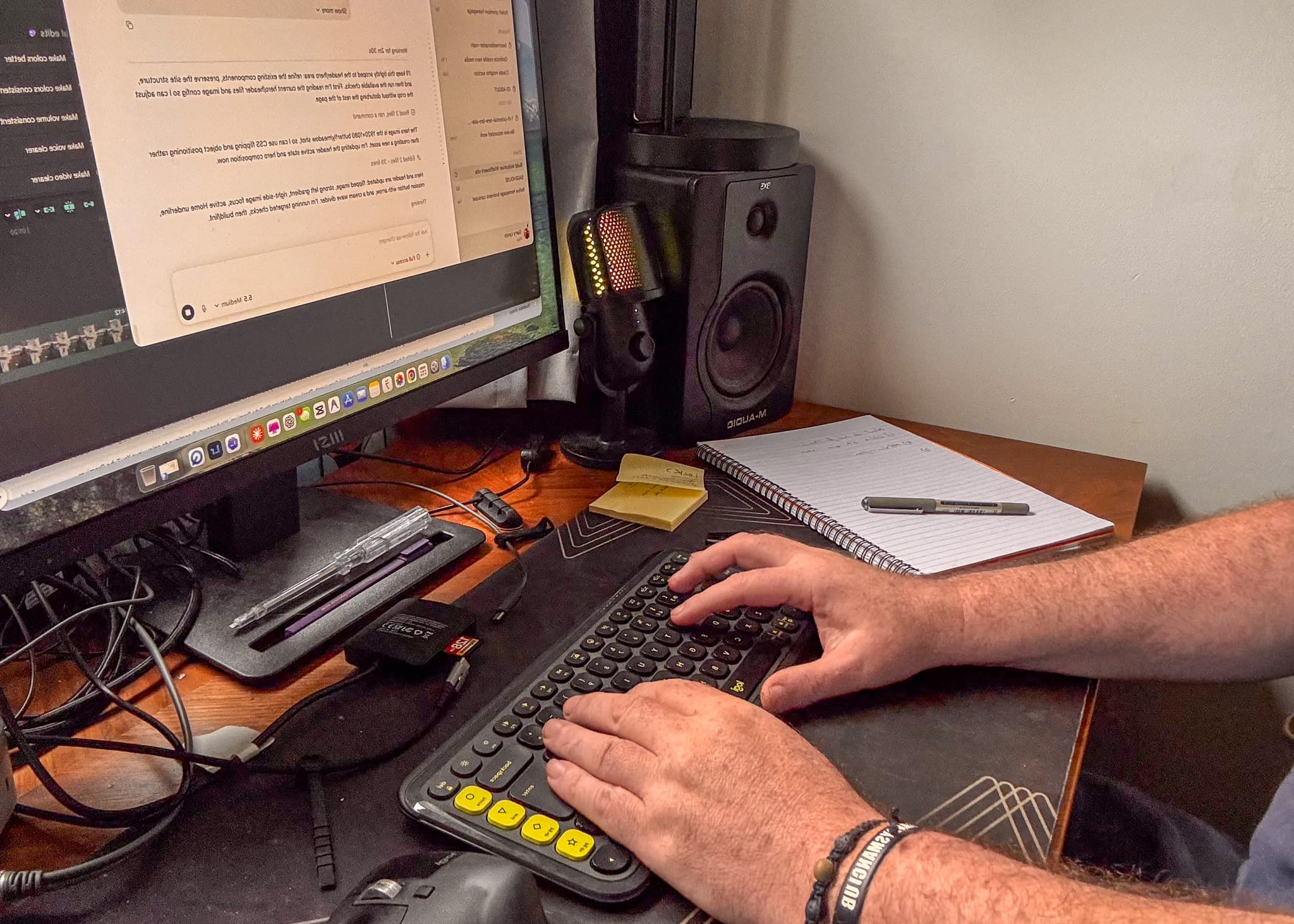
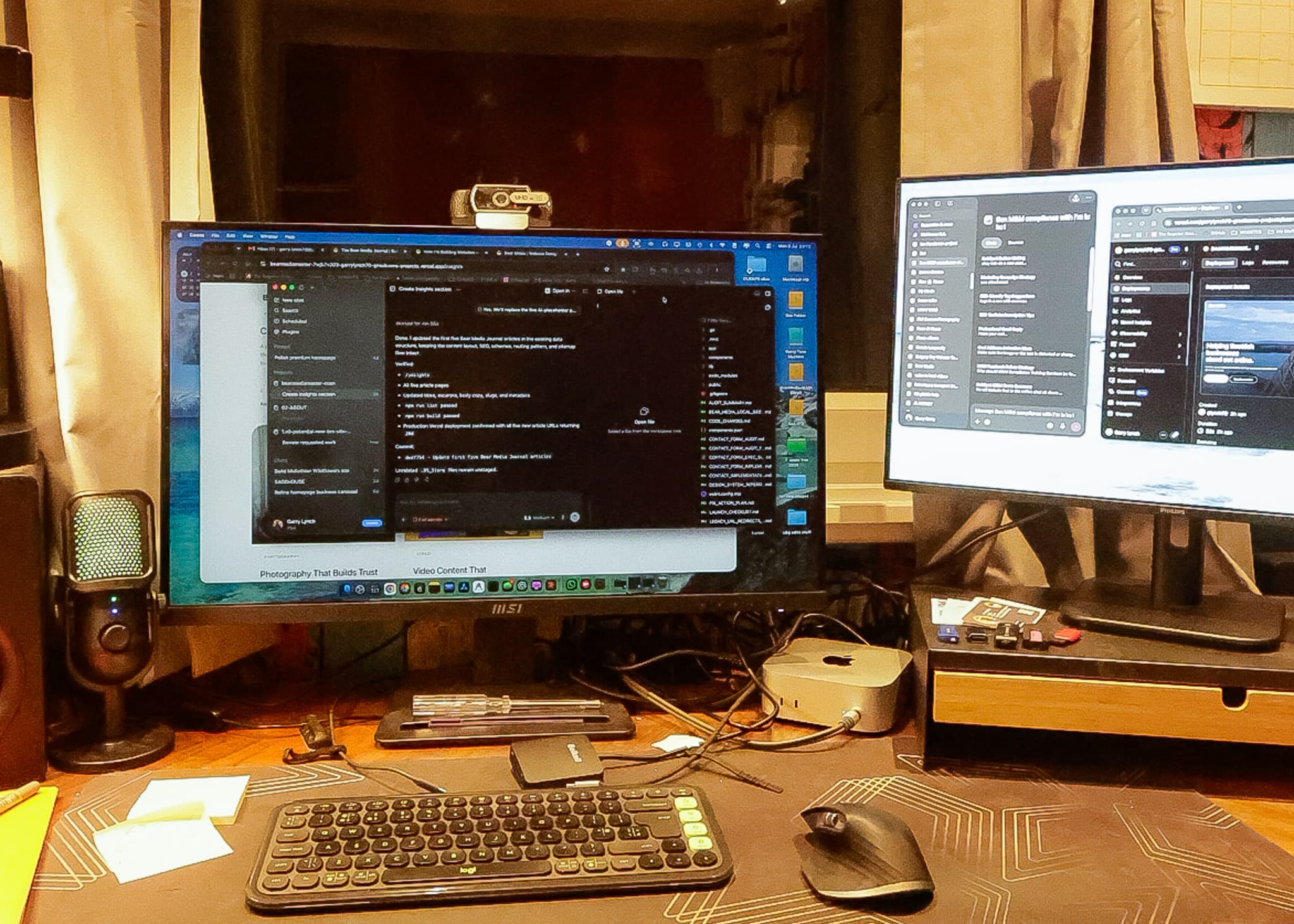
Now I'm using tools like Codex, Claude Code, Antigravity, Cursor, GitHub and Vercel.
The workflow is completely different.
What used to take days can now be wireframed in hours. Problems that used to take a whole evening to debug can often be solved much faster. But the important thing is this: AI does not replace experience. It amplifies it.
You still need to understand structure, design, mobile layout, SEO, accessibility and what a business actually needs from a website. Codex is a brilliant tool, but it still needs direction.
For Bear Media, this means I can move faster without cutting corners. I can test layouts, improve sections, fix issues and deploy updates much more quickly than I could using traditional methods alone.
That benefits my clients because they get better websites, faster turnarounds and a more flexible build process.
I do not see AI as cheating. I see it as the next stage of website design.
If someone wants to build their own website using AI, I'd say go for it. I'm always here if they need help.
But for businesses that want the job done properly, experience still matters.
Codex is now part of my workflow, but it's not the whole story. The real value is knowing what to ask it to build, what to keep, what to change and what to remove.
That's where the years of experience still count.